
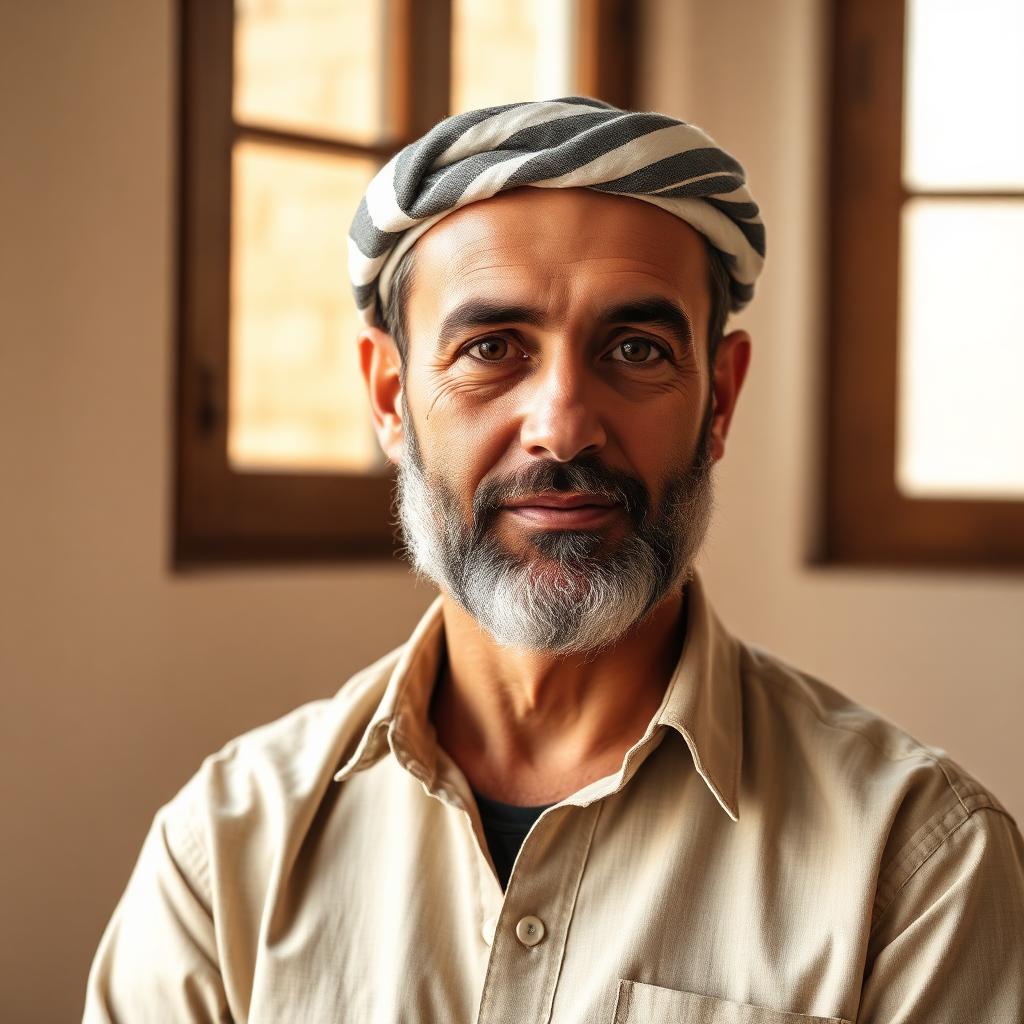
الأستاذ يوسف الهاشمي
المؤسّس · النحو والبلاغة
تتلمذ في دمشق والقاهرة، وأمضى عشرين عامًا في إعادة الكبار إلى المصادر الكلاسيكية. يرى أن درس النحو ينبغي أن يُشبه قصيدة.
بدأت سلسبيل الضاد عام ٢٠١٤ كحلقةٍ أسبوعية واحدة. وهي اليوم مجتمعٌ هادئ ومتنامٍ من المعلّمين والطلاب من اثني عشر بلدًا — تجمعهم قناعةٌ بأن الفصحى ليست تحفةَ متحف، بل لغةٌ حيّة كريمة.
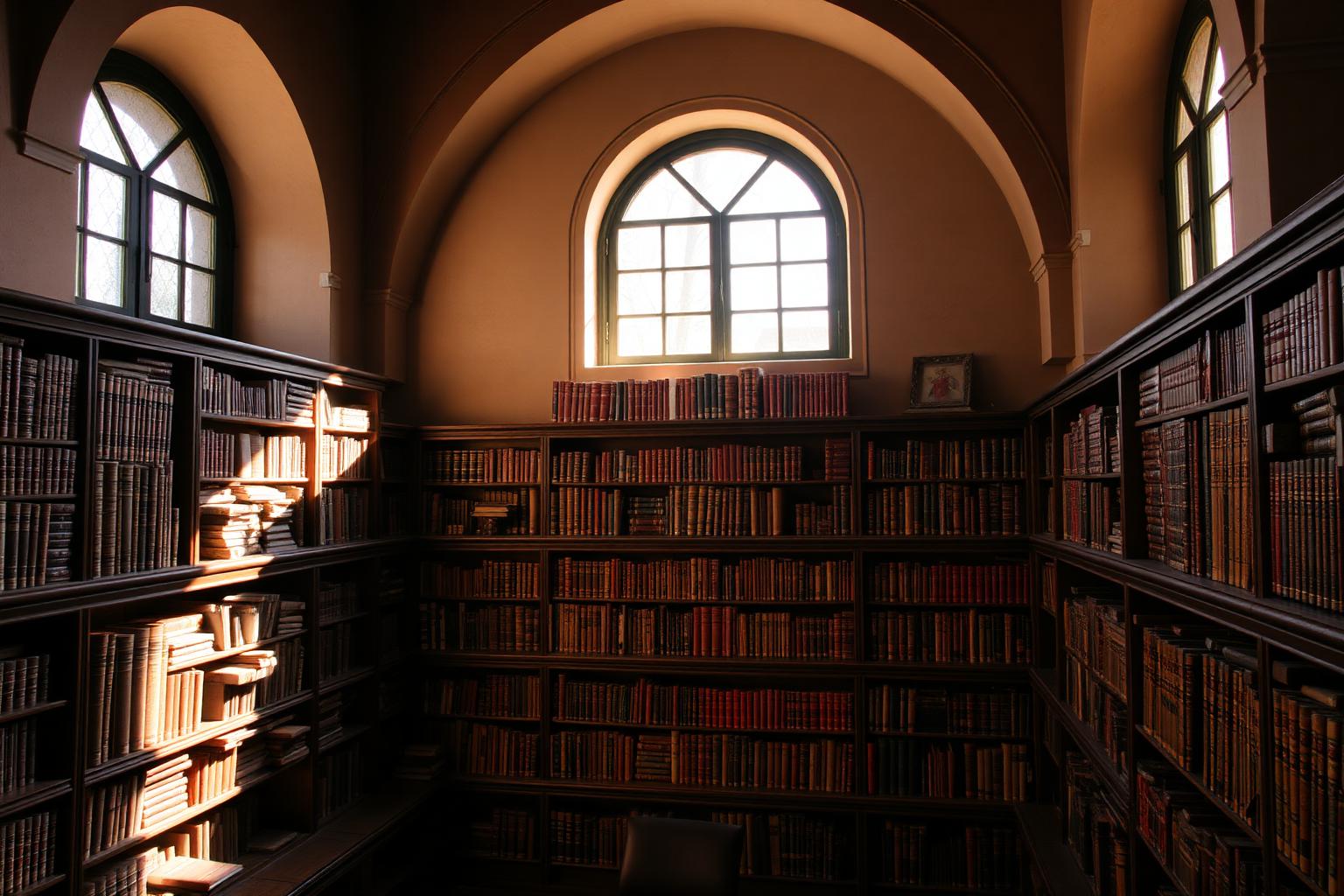
في خريف ٢٠١٤، اجتمعت ثلّةٌ من الأصدقاء حول طاولةٍ منخفضة في مرسيليا. بعضهم نشأ يتكلّم العربية في البيت لكنه لم يعد يقرؤها، وبعضهم لم ينطق بحرفٍ منها لكنه أحبّ بيتًا من الشعر فأراد أن يعرف من أين أتى.
بعد عشر سنوات، كبرت الطاولة وصار الدفتر منهجًا متكاملًا، لكنّ الوعد لم يتغيّر: كل طالبٍ يُعلِّمه معلّمٌ حقيقي، وكل واجبٍ يُقرَأ بيد، ولا أحد يُستعجَل أبدًا.
اليوم، تتراوح أعمار طلابنا بين أطفال السابعة الذين يقرؤون أولى قصصهم بالعربية وأساتذةٍ متقاعدين عائدين إلى العلوم الكلاسيكية. يتشاركون شيئًا واحدًا: استعدادهم لإهداء اللغة قليلًا من الوقت، أسبوعيًّا، لسنوات.
كل معلّمٍ في سلسبيل ناطقٌ أصلي أو شبه أصلي بالعربية، متمرّسٌ في فقه اللغة، يكتب لك ملاحظاته بيده.
تتلمذ في دمشق والقاهرة، وأمضى عشرين عامًا في إعادة الكبار إلى المصادر الكلاسيكية. يرى أن درس النحو ينبغي أن يُشبه قصيدة.
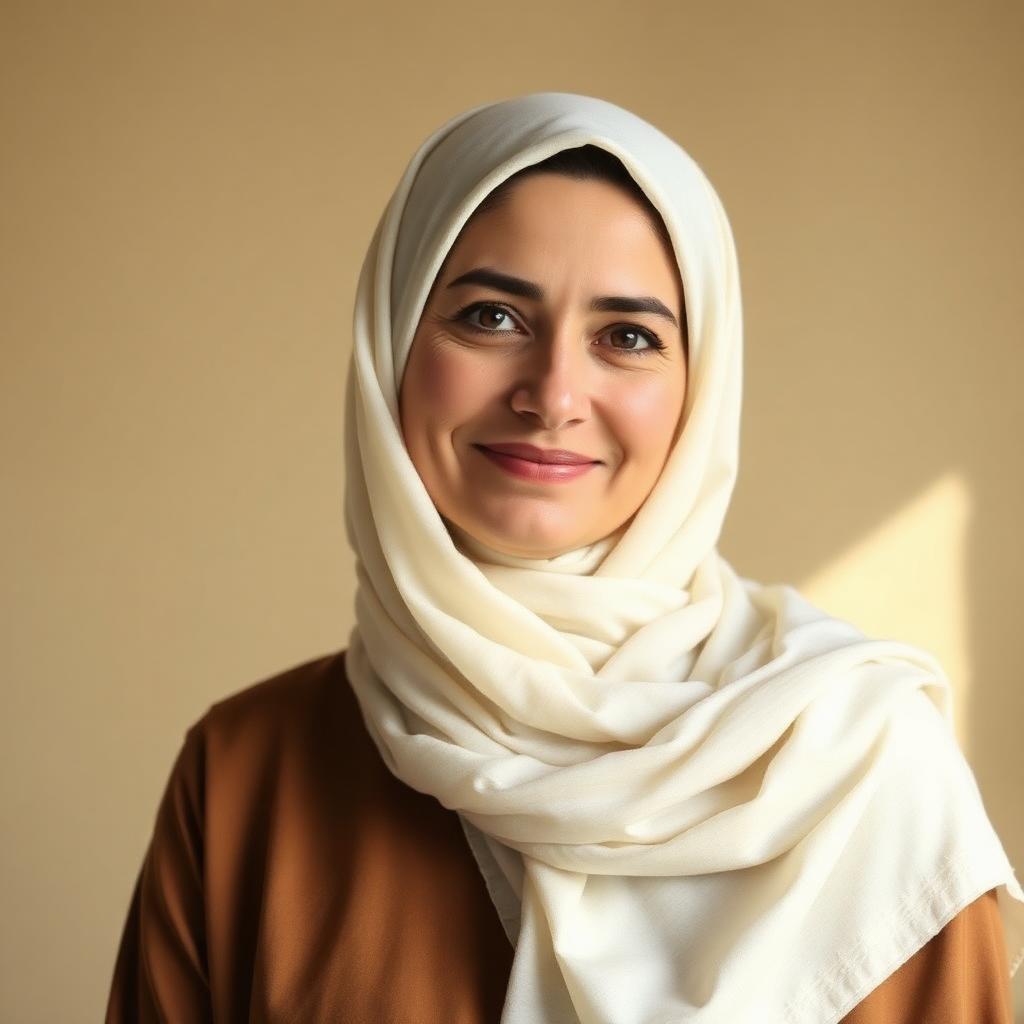
تحمل إجازةً في رواية الشعر الكلاسيكي. تقود حلقات الأدب وحلقة قراءة الربيع للنساء والفتيات.

معلّمٌ للأطفال منذ أكثر من عقد، يصمّم دروسًا تجعل الصرف لعبة. يقول الآباء إن أولادهم يسألون عن موعد الدرس يوم الأحد.
احجز مقعدك في الدفعة القادمة بمكالمةٍ مجانية مدّتها خمس عشرة دقيقة مع أحد معلّمينا.